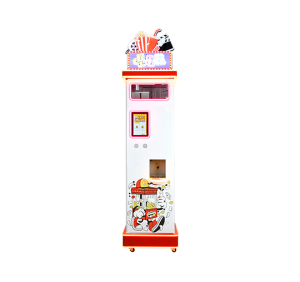
The right popcorn vending machine for a cinema needs three things above all else: fast output during rush periods (ideally under 90 seconds per cup), a hopper large enough to survive a sold-out weekend without mid-show refills, and an enclosed, easy-clean design that meets food safety expectations in a public venue. Get those three wrong and you’ll either have a queue out the door during trailers or a machine nobody trusts to buy from. This checklist walks through exactly what to check before you sign a purchase order.
Here’s a mistake we see constantly: buyers pick a machine based on price, not throughput, then discover on opening weekend that it can’t keep up with 300 people arriving in a 20-minute window before showtime.
A cinema-grade automatic popcorn vending machine should produce a fresh cup in 60-90 seconds, popping directly from raw kernels rather than reheating pre-popped stock. That’s the difference between a machine that smells like fresh popcorn and one that smells like a microwave. Look for models with continuous popping chambers that can queue multiple orders back-to-back without a cooldown period between batches.
A multiplex operator running six screens with staggered start times typically needs a machine rated for 60+ cups per hour minimum. If your venue runs synchronized showtimes (all screens starting within 10 minutes of each other), you’ll want two units or a higher-capacity single machine — the demand spike is sharper.
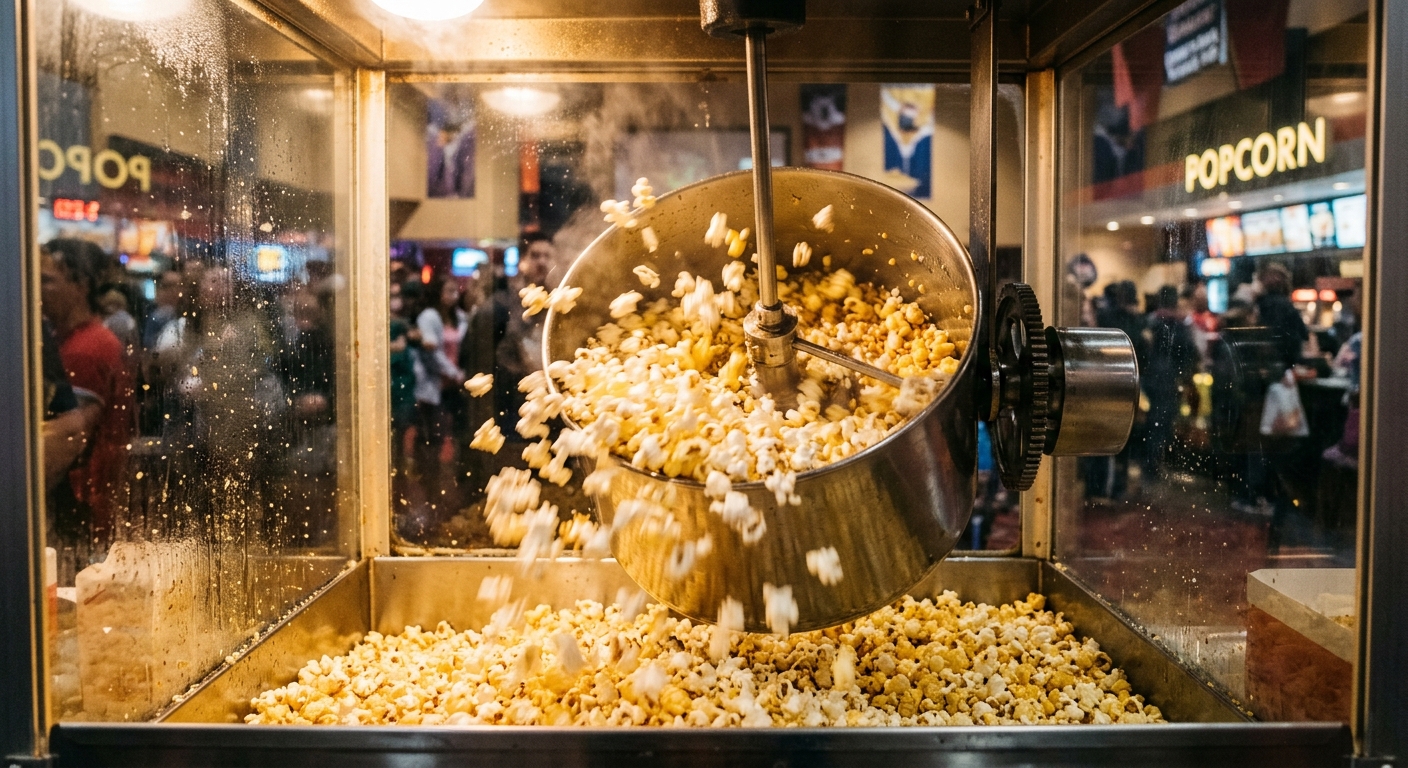
Running out of raw kernels mid-shift is entirely preventable, yet it happens all the time because buyers underestimate storage needs. A cinema doing 200+ servings a day needs a kernel hopper that holds enough for a full evening service without a staff member babysitting refills every hour.
Check the manufacturer’s stated hopper capacity in kilograms, not just liters — kernel density varies, and vague liter specs can mislead you. A well-sized hopper paired with a separate oil and seasoning reservoir means one restock in the morning can carry the machine through an entire evening rush.
Cinemas are public, high-traffic venues where visible cleanliness directly affects whether someone trusts a snack machine enough to buy from it. An open-air popper that lets dust and hands near the food is a liability, not a feature.
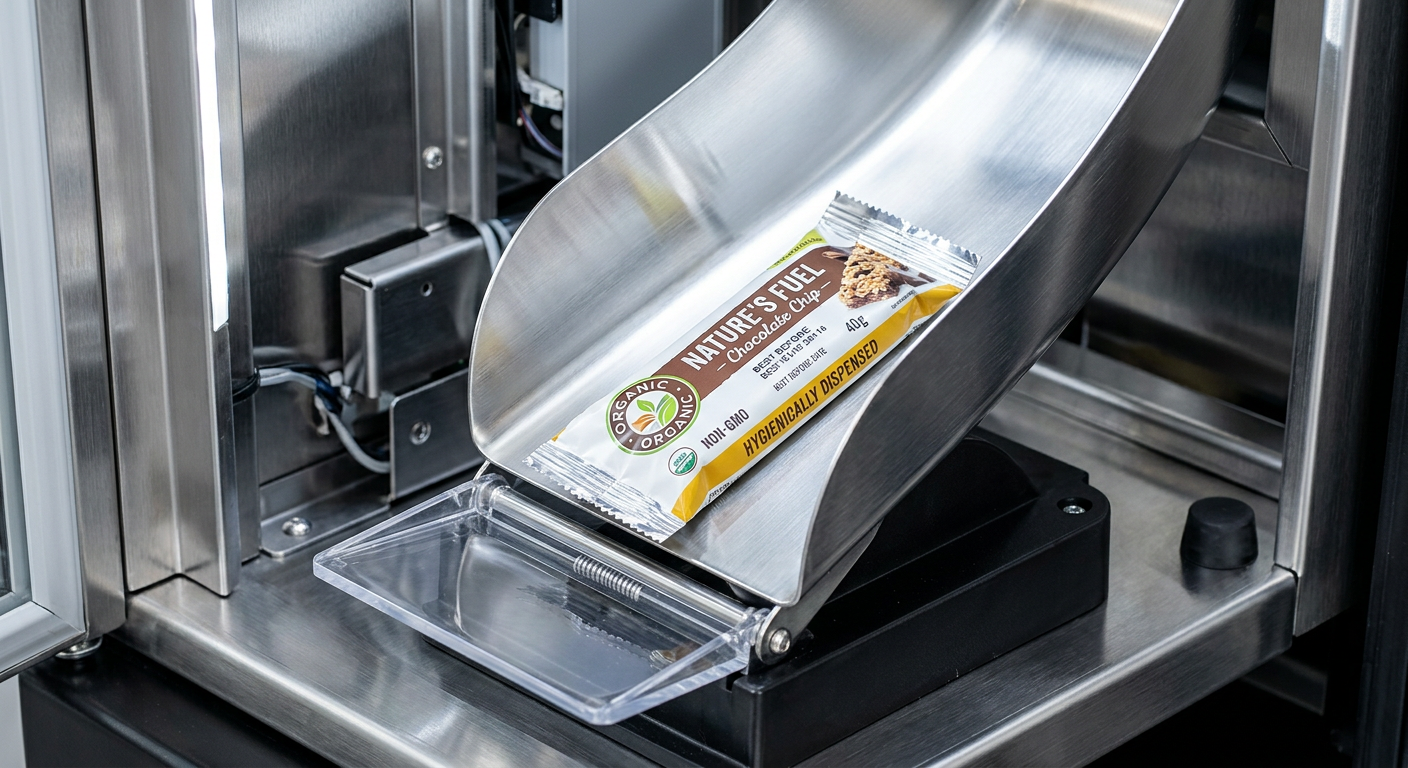
Prioritize machines with a fully enclosed popping and dispensing chamber, food-grade stainless steel contact surfaces, and a sealed delivery chute so the customer never touches anything the popcorn touched during preparation. Ask your supplier for the specific food-contact certifications on the internal components — this matters more for popcorn than almost any other vending category because oil residue and buildup happen fast if surfaces aren’t designed for daily wipe-downs.
For more on what’s happening inside these units mechanically, this breakdown of vending machine parts and how they work is a useful primer before you talk specs with a manufacturer.
Nobody thinks about decibels until a popcorn machine placed near screen entrances starts drowning out trailers. Popping mechanisms and motors generate noise, and lobby acoustics in cinemas amplify it more than you’d expect.
Ask for a decibel rating during the popping cycle, not just at idle. Anything above roughly 65 dB at a 2-meter distance is going to be noticeable near auditorium doors. If quiet operation isn’t achievable with your model choice, plan placement in the main lobby or concession corridor rather than right outside screening rooms.
A slow payment flow undoes all the speed gains from fast popping. If your machine takes 45 seconds to process a card tap plus another 90 seconds to pop, you haven’t actually solved the queue problem — you’ve just moved it.
Look for machines supporting contactless card, mobile wallet, and QR-code payments simultaneously, with transaction confirmation in under 5 seconds. Touchscreen ordering with combo options (small/medium/large, add butter, add flavor packets) also increases average order value without adding a single second of staff time. This is one of the areas covered well in our piece on must-have features in modern vending machines.
Oil buildup is the enemy of every popcorn machine, and how easily a technician (or even trained cinema staff) can access the popping chamber determines whether cleaning actually happens on schedule or gets skipped.
Front-panel or swing-out access to the popping kettle, oil tray, and dispensing chute should take under 5 minutes with no tools required. Ask suppliers directly: how often does the popping chamber need degreasing, and can venue staff do it, or does it require a technician visit? For a multiplex running the machine daily, this answer changes your monthly labor cost calculation significantly.
The best popcorn machine underperforms in the wrong spot. Placement inside a cinema isn’t just about foot traffic — it’s about capturing the decision moment, which happens in the 3-5 minutes after ticket purchase and before people head toward the auditorium.
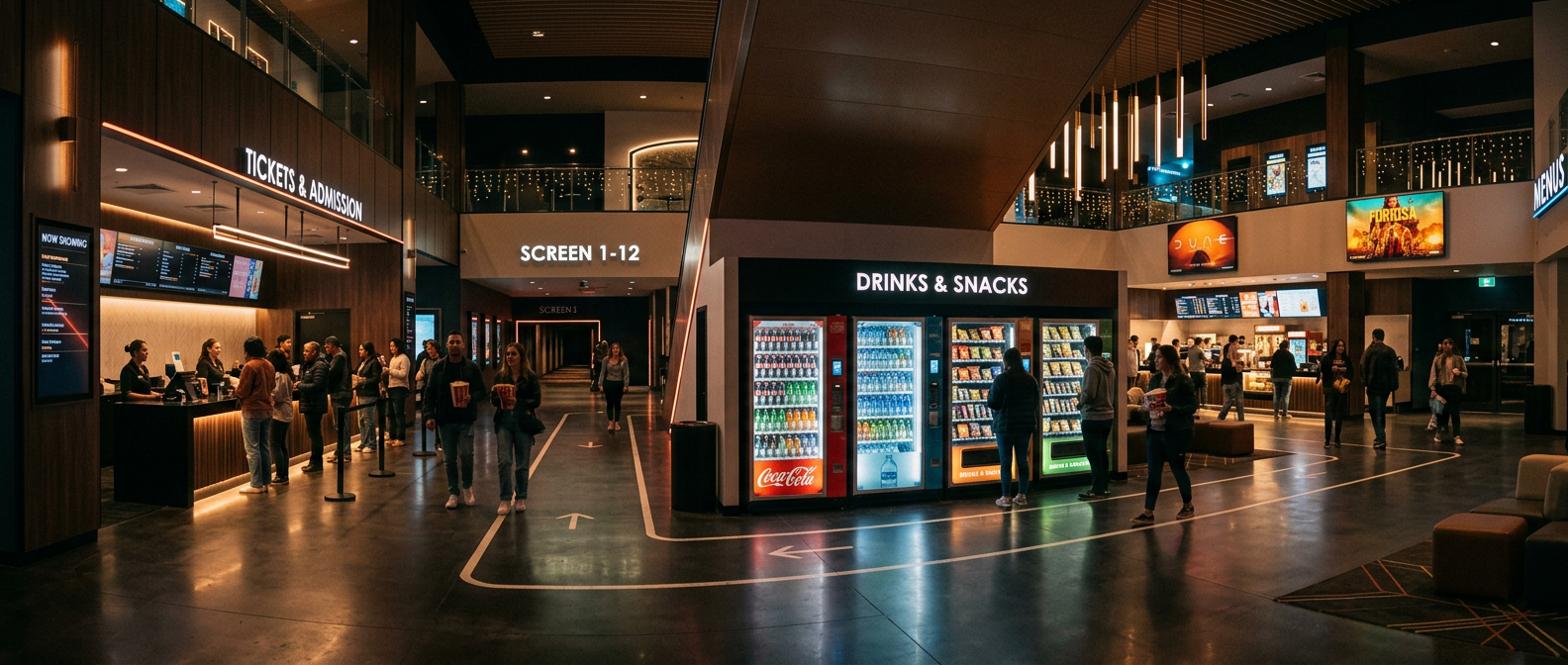
Position units where the line to buy tickets naturally funnels past the concession area, not tucked in a side corridor. For multiplexes, a central concession hub with 2-3 machines outperforms scattering single units near each screen. If you’re planning a broader venue layout, our guide on the top profitable vending machine locations covers placement psychology that applies directly here.
A commercial popcorn vending machine typically runs from $3,000 to $8,000 depending on capacity, payment tech, and customization — cabinet branding, screen wraps, flavor dispensing options. That’s a wide range, so get itemized quotes rather than a single lump figure.
Margins on popcorn are strong because the raw ingredient cost per cup is low, often under $0.30 for kernels, oil, and packaging, while retail pricing in cinemas commonly sits between $4-$7 per cup. That spread is why popcorn remains one of the highest-margin vending categories in entertainment venues — but don’t expect guaranteed numbers; actual payback depends heavily on footfall and pricing. For a detailed cost breakdown methodology applied to a comparable vending category, see our cotton candy vending machine ROI analysis, which walks through the same cost-margin-payback framework.
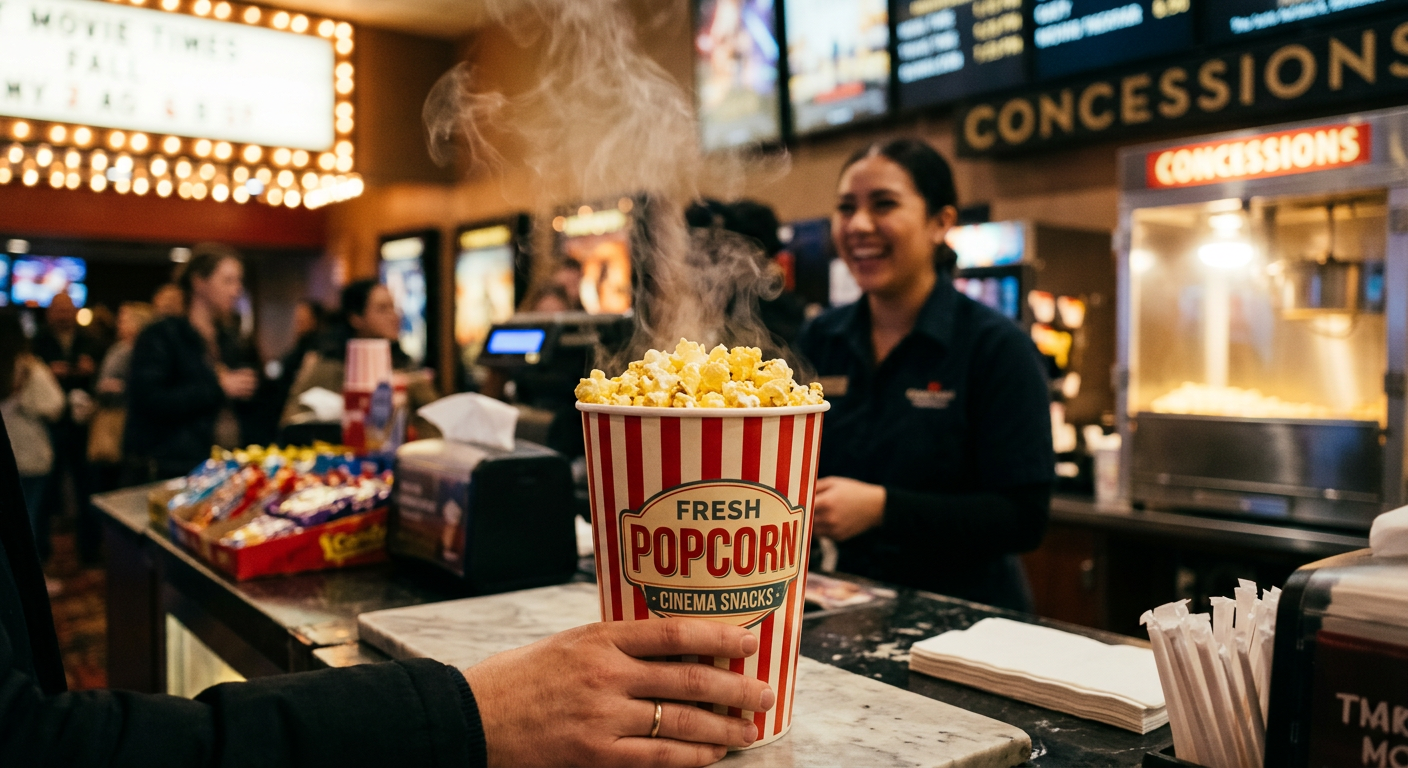
Generic silver-and-black cabinets look out of place in a themed multiplex. If branding matters to your venue, ask about cabinet wraps, LED lighting schemes, and touchscreen UI customization before you order — retrofitting branding later is far more expensive.
Some manufacturers also offer OEM options: custom cup sizes, flavor packet dispensers for kettle corn or cheese popcorn, and multilingual touchscreen menus for venues in tourist-heavy locations. Ask specifically what’s configurable versus fixed on the base unit — this is a conversation worth having directly with your manufacturer’s engineering team, not just the sales rep.

Popcorn Vending Machines for Cinemas: A Complete Buyer’s Checklist

Touch Screen Vending Solutions for Smart Automated Retail
Where to Put Vending Machines: Fun & Profitable Locations That Attract Customers

How to Choose the Right Fairy Floss Vending Machine for Your Business

Robot Ice Cream Vending Machine Guide for Businesses
Pizza Making Vending Machine: Cost, Locations, ROI & Launch Guide
Notification